Florida has the highest rate of lightning strikes in the United States, and Gainesville sits squarely in the middle of the state's most active lightning corridor. From June through October, the afternoon storm cycle is as reliable as the heat — and with it comes a real and recurring risk to your home's electrical system.
A nearby lightning strike — not even a direct hit — can send a surge through your home's wiring that destroys connected devices in milliseconds. And it's not just lightning: utility switching events, the startup of large appliances like HVAC systems, and grid fluctuations can all cause damaging surges throughout the year.
The good news is that protection is available, affordable, and straightforward to install.
What a power surge actually does
Your home's electrical system is designed to carry voltage at a consistent level. A power surge is a sudden spike in voltage above that level — sometimes by thousands of volts in the case of a lightning event, sometimes by smaller amounts from other causes.
When that spike reaches a connected device — your HVAC control board, your television, your refrigerator's electronic components, your computer — the excess energy has nowhere to go except into the device's circuits. The result ranges from immediate failure to invisible degradation that shortens the device's lifespan over time.
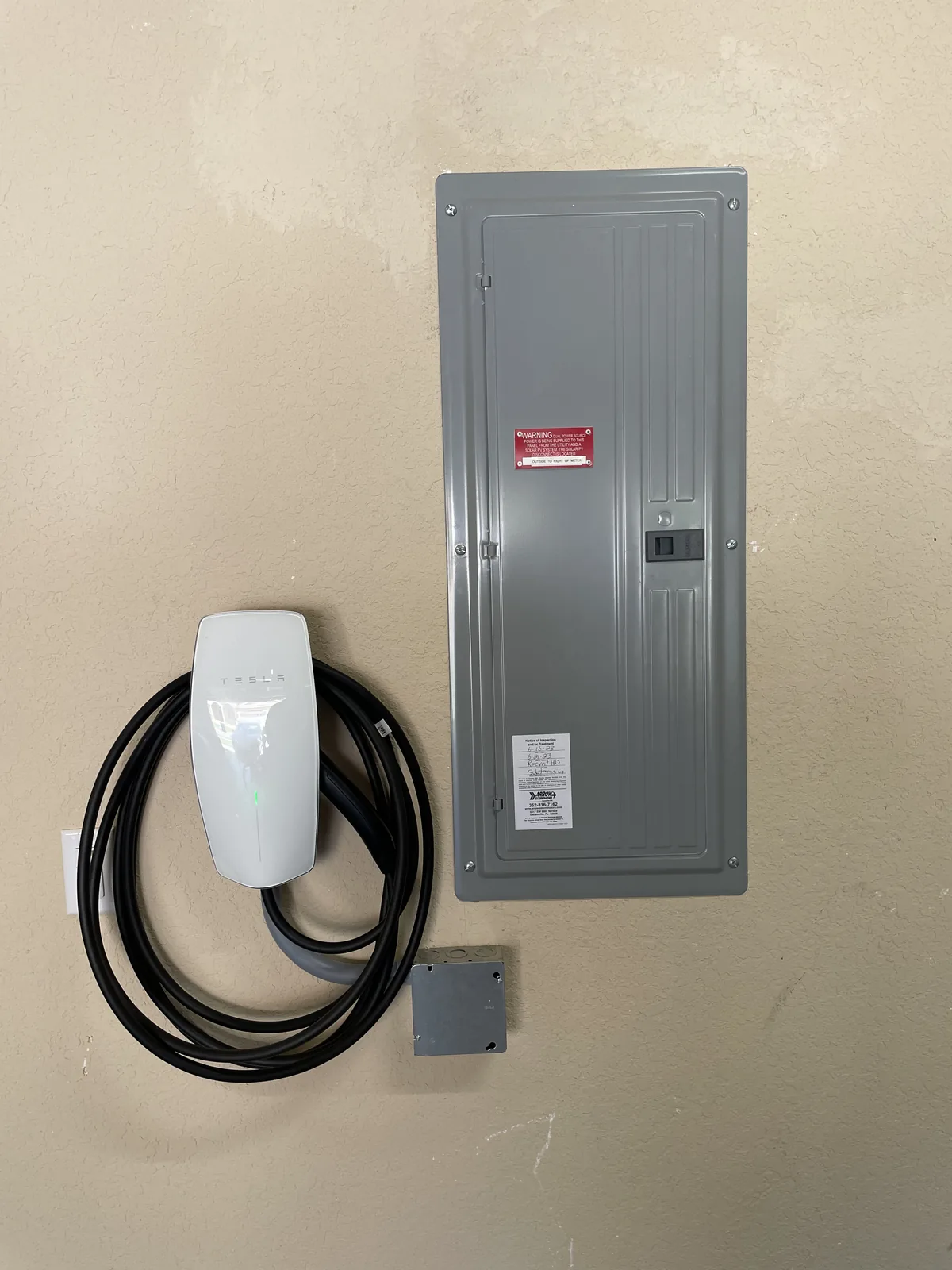
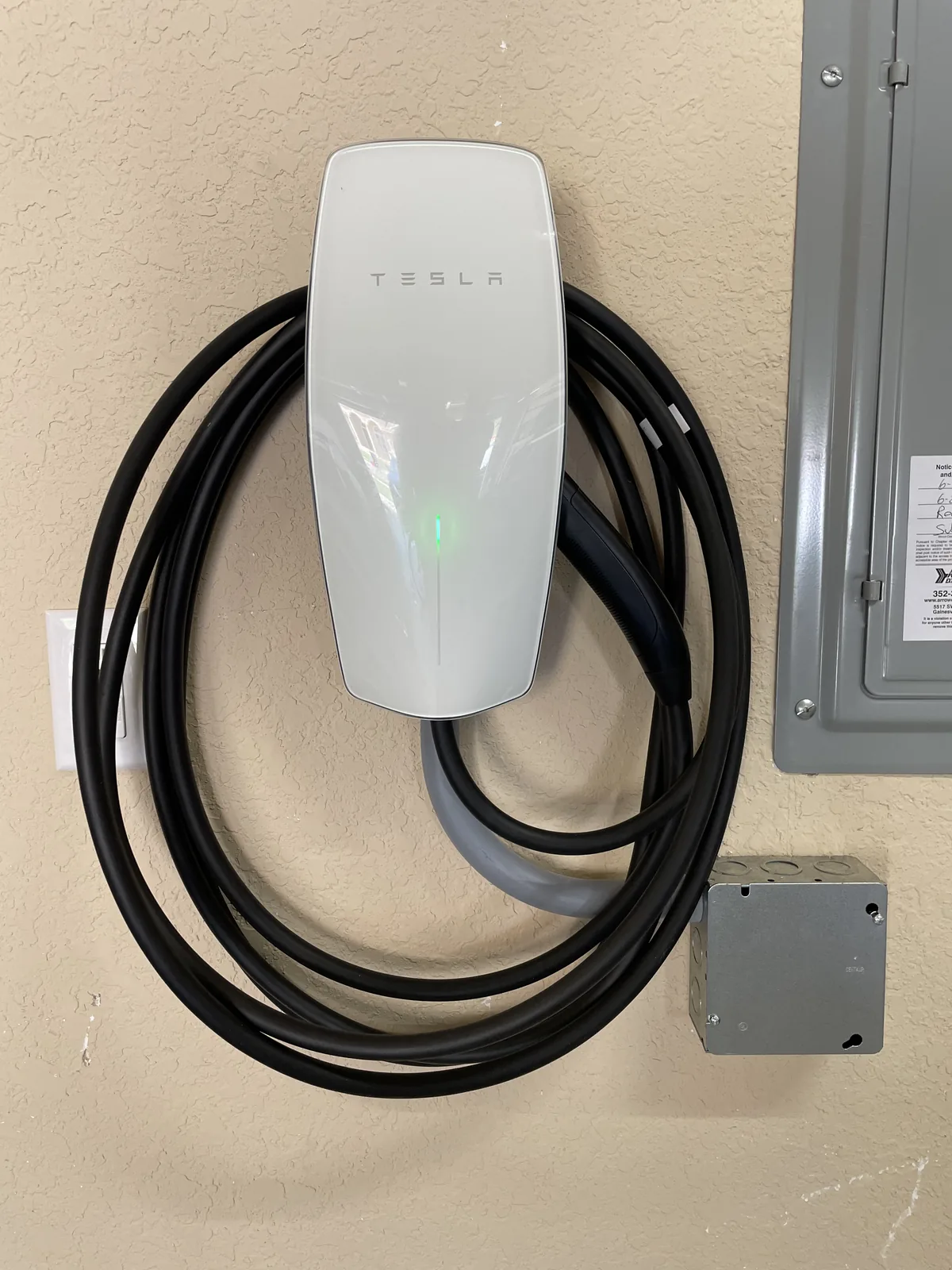
The highest-stakes items are typically your HVAC system (the most expensive appliance in most Gainesville homes), EV charging equipment, medical devices, and whole-house smart systems.
Why power strips aren't enough
Most people are aware of surge-protecting power strips, and they do provide some protection. But they have significant limitations:
They degrade silently. Every surge a power strip absorbs reduces its protection capacity. Most strips give no indication when they've been compromised — they continue to work as a power strip while providing no surge protection at all.
They protect only what's plugged into them. Your HVAC system, your refrigerator, your washer and dryer — these aren't plugged into surge-protecting power strips. They're on dedicated circuits with no surge protection at all unless you've added it at the panel level.
They don't protect against major events. A large lightning surge can overwhelm even a high-rated power strip.
How whole-house surge protection works
A whole-house surge protector — also called a Type 1 or Type 2 surge protective device (SPD) — is installed directly at your main electrical panel, where it monitors every circuit in your home simultaneously.
When a surge occurs, the device detects the excess voltage and diverts it safely to ground before it reaches your home's wiring and connected devices. It responds in nanoseconds — faster than any manual intervention.
Installation is typically an hour or less and requires a licensed electrician. The device itself is compact and sits inside or directly adjacent to your panel.
Layered protection is the gold standard
The most effective approach combines whole-house protection at the panel with quality surge-protecting power strips at sensitive devices (computers, home theater equipment). The whole-house device catches the large events; the point-of-use strips add a second layer for smaller, device-level surges.
For Gainesville homeowners with smart home systems, EV chargers, or high-end HVAC equipment, the investment in both levels of protection is straightforward to justify.
Frequently asked questions
How much does a whole-house surge protector cost?
The device itself typically ranges from $100–$300 depending on the protection capacity (rated in joules). Installation adds a service call and typically an hour of labor. The total investment is a fraction of replacing an HVAC control board or major appliance after a surge event.
Does homeowner's insurance cover lightning damage?
Many standard policies do, but with a deductible that can make smaller claims not worth filing. Surge protection reduces the likelihood of a claim and may reduce your premium in some cases.
Does a whole-house surge protector need maintenance?
Most devices include indicator lights that show whether they're actively protecting. Some have replaceable modules. We advise on the specific device we install and what, if anything, to watch for over time.
Storm season in Gainesville isn't going anywhere. If your home doesn't have whole-house surge protection, it's one of the more straightforward improvements you can make. Call 352 Electric at (352) 331-6459 or request a free estimate.